Parker GVM210 Gen 2 Global Vehicle Motor: A New Version for Mobile Electrification
Introduction
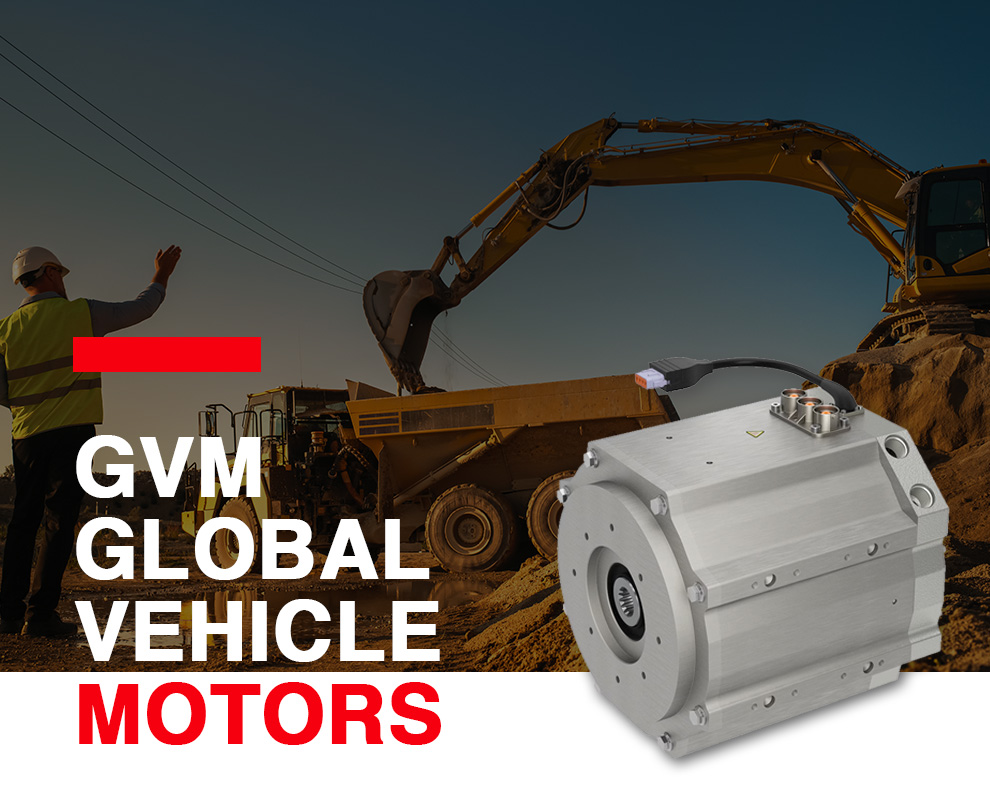
The new Parker GVM210 Gen 2 Global Vehicle Motor is designed to support the next stage of vehicle electrification. It is part of Parker Hannifin’s Global Vehicle Motor series and is developed for OEMs, system integrators, and vehicle manufacturers working on electric and hybrid mobile applications. Parker describes the GVM210 Gen 2 as a second-generation electric motor platform for both on-highway and off-highway vehicle applications.
This new version builds on the existing Parker GVM210 platform. The main focus of the new generation is easier installation, better integration, improved safety, and stronger durability in demanding mobile environments. These improvements are important because electric vehicle platforms are now used in many sectors, including material handling, construction, mining, agriculture, utility vehicles, and purpose-built mobile machines.
The Parker GVM210 Gen 2 Global Vehicle Motor is available at A&C Engineering, a distributor of Parker. Companies looking for a PMAC motor for mobile applications, a Parker electric motor for off-highway vehicles, or a GVM210 Gen 2 motor for electro-hydraulic pump systems can contact us for product supply and support.
What is the Parker GVM210 Gen 2?
The Parker GVM210 Gen 2 is the second generation of Parker’s Global Vehicle Motor platform. It is a permanent magnet AC motor, also known as a PMAC motor, designed for mobile equipment and vehicle electrification. It is suitable for both on-road and off-road applications.
The wider Parker GVM motor family is designed for vehicle duty cycles and can be used as a motor or generator. GVM motors are used in vehicle applications such as construction vehicles, refuse trucks, city buses, street sweepers, motorcycles, scooters, light commercial vehicles, and watercraft. Common applications are hybrid motor-generator systems, electro-hydraulic pumps, and auxiliary drives for fans and air-conditioning compressors.
The new GVM210 Gen 2 is more focused on modern OEM integration needs. It keeps the performance basis of the first-generation GVM210 but adds practical improvements for installation, safety, thermal protection, and robustness.
Why the new GVM210 Gen 2 matters
Vehicle manufacturers are moving more systems from engine-driven power to electric power. This includes traction systems, hydraulic pump drives, cooling fans, compressors, and other auxiliary functions. These systems need motors that are efficient, compact, reliable, and easy to integrate into vehicle platforms.
Parker states that the GVM210 Gen 2 was developed to help OEMs and integrators accelerate vehicle electrification across on-highway and off-highway applications. The motor is intended to support a broad range of vehicle categories, including material handling vehicles, construction machines, mining vehicles, agricultural equipment, utility vehicles, and specialty platforms.
This matters because mobile equipment often operates in difficult conditions. Machines may work at low speed, high load, high temperature, high vibration, and in dusty or wet environments. A motor for these applications must do more than provide power. It must also support system protection, maintenance access, safe high-voltage operation, and long-term reliability.
Easier installation for OEMs and integrators
One of the main updates in the Parker GVM210 Gen 2 motor is easier installation. Parker says the second generation introduces installation-focused improvements to increase integration flexibility across OEM platforms.
This is important for vehicle manufacturers because every vehicle platform has its own space limits, wiring layout, inverter strategy, cooling arrangement, and safety requirements. A motor that is easier to install can reduce engineering time and help move projects from prototype to series production.
The GVM210 Gen 2 offers pigtail connector options in 12-pin and 16-pin configurations. These connector choices help OEMs match the motor’s feedback and protection features with the inverter and vehicle control system.
For a system integrator, this can make a practical difference. The motor must communicate temperature data and feedback signals correctly. If the connector options match the system design, the installation can be cleaner and easier to validate.
Improved thermal protection with PT1000 sensors
Thermal protection is a key issue in electric motors for mobile machinery. Motors can face high current demand at low speed, especially in electro-hydraulic pump systems, traction support, and heavy-duty auxiliary applications. In these conditions, heat can rise quickly.
The 16-pin connector option on the Parker GVM210 Gen 2 allows the use of two PT1000 temperature sensors in a separate mode. Parker states that this enables full motor thermal protection with three-phase control, even when torque is requested at low speed.
This is useful for OEMs that need accurate motor temperature monitoring. Better thermal protection can help the inverter and vehicle control system protect the motor during demanding operation. It can also support more reliable performance in applications where the motor regularly works at high load and low speed.
Enhanced safety with HVIL functionality
Safety is another major improvement in the Parker GVM210 Gen 2 Global Vehicle Motor. The new version supports High-Voltage Interlock Loop, also called HVIL, through a power connector option.
HVIL is used in electric vehicles to help detect when high-voltage connectors are disconnected or opened. In the GVM210 Gen 2, Parker states that the power supply immediately and automatically cuts off when the power connector or low-level connector is disconnected.
This is important for modern electric and hybrid vehicle systems. High-voltage systems need controlled shutdown methods to protect technicians, operators, and equipment. By supporting HVIL functionality, the GVM210 Gen 2 helps OEMs meet current safety expectations for electrified mobile machines.
Stronger sealing for electro-hydraulic pump systems
The GVM210 Gen 2 also includes improvements for electro-hydraulic pump systems, often called EHP systems. These systems are common in construction machines, agricultural equipment, mining vehicles, material handling equipment, and utility vehicles.
For EHP systems used in rugged conditions, Parker has added an optional O-ring on the prepared motor flange. This is designed to improve sealing and overall robustness. The purpose is to help prevent leaks between the motor and pump and reduce grease contamination caused by dust in the motor environment.
This is a practical update. In many mobile machines, the motor and pump interface is exposed to vibration, dust, water, and repeated load changes. Better sealing can help protect the connection between the electric motor and hydraulic pump. This can support more consistent operation and reduce the risk of contamination near the coupling.
Built for demanding mobile environments
The new GVM210 Gen 2 is designed for demanding duty cycles and global operating environments. Parker says the new generation focuses on increased robustness as well as easier installation and improved safety.
This follows the design direction of the wider Parker GVM range. Parker’s GVM catalogue describes the GVM design as shock-proof, vibration-proof, and salt-spray resistant. It also lists IP67 protection as standard for the GVM142 range, with IP6K9K available on request in some pump-mounted configurations.
These details matter for off-highway vehicles because they often work outdoors and in contaminated environments. A motor used in construction, mining, agriculture, or material handling must handle real operating conditions, not only laboratory conditions.
Applications for the Parker GVM210 Gen 2
The Parker GVM210 Gen 2 electric motor is suitable for many mobile applications. Parker’s announcement highlights material handling, construction, mining, agricultural and utility vehicles, and specialty or purpose-built platforms.
Material handling vehicles
Material handling vehicles often need compact and reliable electric drive systems. These machines may include forklifts, warehouse vehicles, mobile lifting systems, and other industrial mobile platforms. The GVM210 Gen 2 can support electrification where high performance and easy integration are required.
Construction machinery
Construction vehicles need motors that can operate in dust, vibration, changing temperatures, and heavy load cycles. The GVM210 Gen 2 is relevant for hydraulic pump drives, auxiliary systems, and hybrid or electric powertrain support in construction machinery.
Mining vehicles
Mining equipment often operates in severe environments. Improved sealing, stronger robustness, and HVIL safety support are valuable for electrified mining vehicle systems. The optional O-ring on the motor flange is especially relevant where dust and contamination are common.
Agricultural equipment
Agricultural vehicles need dependable systems that can handle dirt, moisture, vibration, and long operating hours. The GVM210 Gen 2 can support electric hydraulic pump drives, auxiliary systems, and hybrid vehicle architectures in agricultural machinery.
Utility vehicles and special-purpose platforms
Utility vehicles and custom mobile machines often have unique layouts. The GVM210 Gen 2’s installation-focused improvements and flexible connector options can help integrators fit the motor into different vehicle architectures.

GVM210 Gen 2 for electro-hydraulic pump applications
One of the most important long-tail keywords for this topic is Parker GVM210 Gen 2 motor for electro-hydraulic pump applications. This is because EHP systems are a major use case for electric motors in mobile machinery.
An electro-hydraulic pump uses an electric motor to drive a hydraulic pump. This can replace or reduce the need for engine-driven hydraulic power. It allows hydraulic functions to operate only when needed, which can improve energy management in electric and hybrid vehicles.
The new GVM210 Gen 2 is especially relevant for EHP systems because Parker has improved the sealing at the motor flange with an optional O-ring. This protects the motor-pump interface, helps prevent leaks, and helps reduce contamination from dust near the greased spline coupling.
For OEMs, this means the motor is not only designed for power and speed. It is also designed for practical installation and field operation in mobile hydraulic systems.
Benefits of the Parker GVM210 Gen 2
The main benefits of the new Parker GVM210 Gen 2 Global Vehicle Motor are:
- Easier installation through improved connector options. The 12-pin and 16-pin pigtail connector choices give OEMs more flexibility when connecting the motor to the inverter and vehicle control system.
- Improved thermal protection. The 16-pin option allows two PT1000 temperature sensors to be used in separate mode for full motor thermal protection with three-phase control, including low-speed torque operation.
- Improved safety. HVIL support helps the system cut power automatically when relevant connectors are disconnected. This supports high-voltage safety strategies in modern electric vehicles.
- Improved robustness for EHP systems. The optional O-ring on the prepared motor flange helps protect the motor-pump interface in harsh working environments.
- Supporting a wide range of mobile vehicle categories, including on-highway and off-highway applications.
Conclusion
The Parker GVM210 Gen 2 Global Vehicle Motor is a new version of Parker’s vehicle motor platform for mobile electrification. It is designed for OEMs and integrators that need a compact, reliable, and easier-to-integrate electric motor for on-highway and off-highway vehicles.
The most important updates are easier installation, 12-pin and 16-pin pigtail connector options, improved thermal protection with PT1000 sensors, HVIL safety support, and improved sealing for electro-hydraulic pump systems. These updates make the GVM210 Gen 2 especially useful for material handling vehicles, construction equipment, mining vehicles, agricultural machinery, utility vehicles, and special-purpose electric platforms.
The Parker GVM210 Gen 2 Global Vehicle Motor is available at A&C Engineering, distributor of Parker Hannifin. For companies looking for a Parker GVM210 Gen 2 motor for mobile applications, A&C Engineering can support product selection and supply for vehicle electrification projects. Contact us or enquiries, product information or other questions.
Downloads
192-300116 Product Bulletin GVM310 range extension
192-300140 Global Mobile Motor Catalog Product Bulletin GVM310 range extension